I think I might owe Dr. DeGrasse Tyson an apology. In my comments about his books, I said that he had a condescending tone, and seemed incredibly self absorbed. Well, although that's true, I now realize I was too harsh on him.
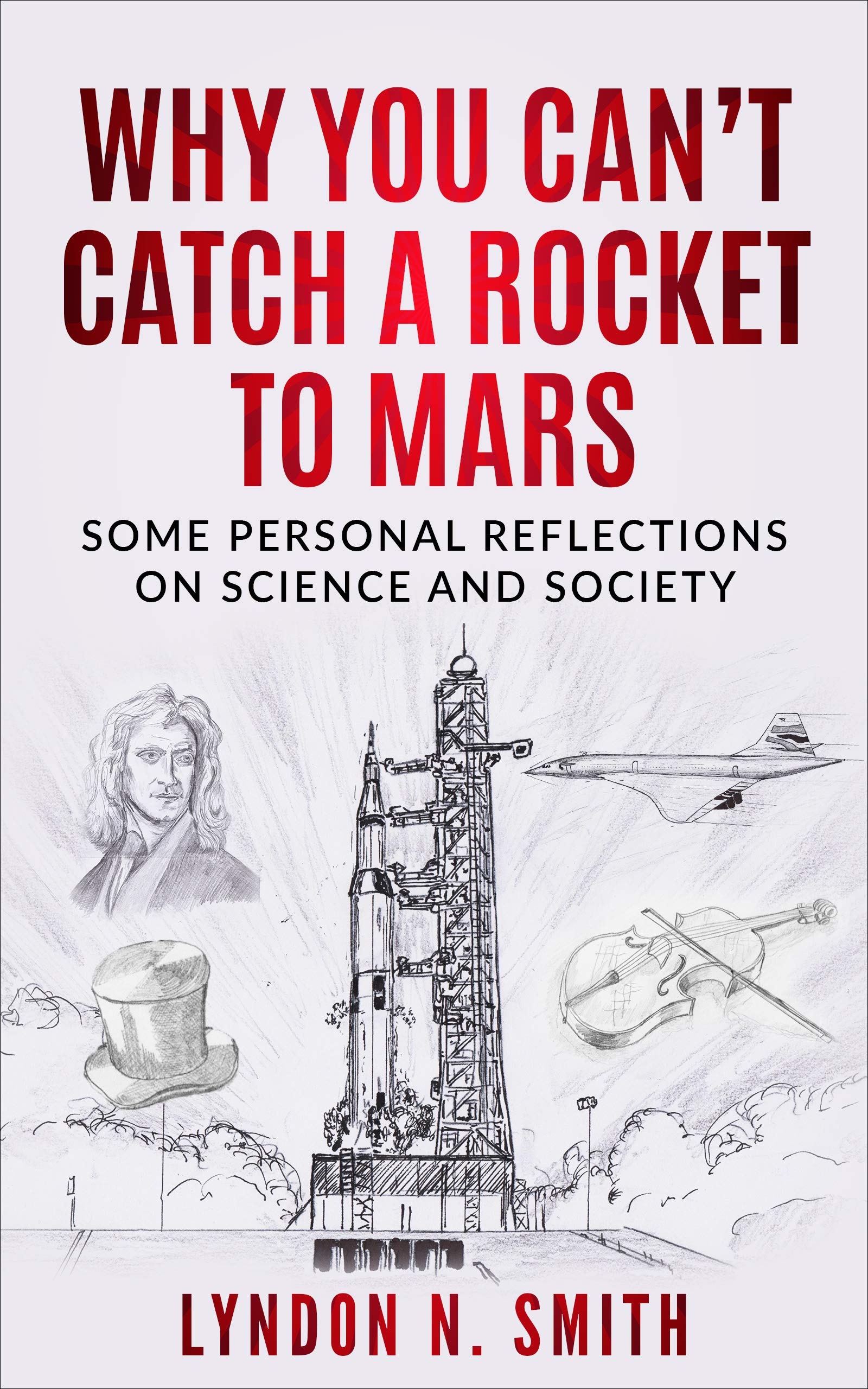
This realization comes courtesy of Dr. Lyndon Smith who published Why You Can’t Catch a Rocket to Mars: Some Personal Reflections on Science and Society in November 2020.Going into the book, I expected a critical analysis of the current state of technology and research. After all, the blurb on the rear cover states "here you will learn about what's been holding back science and technology for years, and what we can do about it."
In all fairness to the author, it is a fairly interesting read. He discusses everything, from the conflict between teaching and research at universities, to the NHS (British public health system). And there are interesting insights into the way that world of scientific research works. In fact, I've seen some of these effects first hand. In particular, his anecdote about publishing a paper in 1997, then seeing almost the same work "rediscovered" by other authors multiple times in the 2010's is something that appears painfully true. There is a lot of insular-ism, where fields interact so little that the same discoveries need to be made time after time. He also discusses a vast variety of fields, spanning many of my interests. There aren't too many books that discuss the feasibility of time travel just a few chapters after talking about brain waves.
On the downside though, he is amazingly condescending. Take the aforementioned story with rediscovery. The same idea can be related with different intonations: humor, annoyance, arrogance, curiosity, etc... It all depends on what the goal is. Want to have a sad laugh that we humans are so inefficient? Be a bit humorous. Want to explore possible fixes to this unfortunate situation? Curiosity is a good option. Dr. Smith, however, opts for arrogance and annoyance, sounding like he's bragging for being more than a decade ahead and peeved that this situation exists. It's a fairly minor change, but intonation really can make or break my opinion of an author. It leaves a lasting perspective.
He also holds no punches about his political views, going on about the "Woke" opinions holding back research. It's a political hot-button topic right now (particularly by the conservative media and politicians in the United States, but Dr. Smith is from Great Britain). The criticism of university research fields with this in mind may be justified, but at the same time it's a rather explicit introduction of the author's biases into the sphere of academics. I may be an idealist, but I do prefer to believe that research should be pure. It's impossible to eliminate all biases, one way or the other, but throwing politically charged ideology into the mix definitely doesn't help the situation.
So, I'm left with a bit of a mixed impression. It's really interesting, but but slightly off-putting. If you're willing to deal with a bit of arrogance, it's a great read and could maybe be interesting to some folks.